
Table of Contents
Understanding Physician-Performed Laser Hair Removal
Imagine stepping into a Midtown Manhattan clinic, seeking a smooth, confident look without the hassle of constant shaving. At NSS Dermatology PLLC, we often see patients frustrated with uneven results from at-home methods or spa treatments. This is where laser hair removal by physician comes into play, offering a reliable path to long-term hair reduction tailored to your unique skin.
Laser hair removal is a targeted light-based procedure that damages hair follicles to achieve lasting reduction in unwanted hair growth. As board-certified dermatologists, our team ensures the use of FDA-approved devices, carefully assessing skin type compatibility to minimize risks and maximize outcomes. Dermatologist laser hair removal stands out for its precision, especially for diverse skin tones, reducing chances of pigmentation changes or burns compared to less supervised approaches. We at NSS Dermatology recommend physician-supervised hair reduction treatments because they incorporate medical protocols that prioritize safety and efficacy. Key benefits include:
- Enhanced safety through expert oversight and advanced technology.
- Broader suitability for various skin types, including darker tones.
- Personalized plans that address individual concerns like sensitivity or medical history.
While medical laser hair removal provides these advantages, spa-based options often rely on technicians using aesthetic-grade devices, which may not meet the same rigorous standards. The following table highlights these differences:
| Aspect | Physician-Performed | Non-Physician (Spa/Technician) |
|---|---|---|
| Qualifications | Board-certified dermatologists with medical training | Licensed estheticians or technicians |
| Device Regulation | FDA-cleared medical lasers | Aesthetic-grade devices |
| Risk Assessment | Pre-treatment skin evaluation by MD | Basic consultation |
Physician-performed treatments excel in oversight and technology, ensuring better protection and results for patients across skin types. Non-medical settings, while accessible, may overlook subtle risks, underscoring why medical expertise matters.
Building on these fundamentals, our guide explores safety protocols, treatment effectiveness, and practical steps for dermatology-based laser procedures in New York. We encourage scheduling a consultation with our team to discuss how these options fit your needs and lifestyle.
Fundamentals of Laser Hair Removal by Physicians
At our dermatology practice, laser hair removal by physician stands as a precise, medically supervised method for achieving long-term hair reduction. Dermatologist laser hair removal involves board-certified specialists using advanced technology to target unwanted hair while prioritizing patient safety and skin health. This approach differs significantly from spa-based treatments, as our physicians bring extensive medical expertise to ensure optimal outcomes across diverse skin profiles. Medical laser hair removal emphasizes evidence-based protocols, making it the preferred choice for those seeking reliable, professional results.
The core mechanism of laser hair removal relies on selective photothermolysis, where laser energy targets melanin in hair follicles. During a session, the laser emits light absorbed by the pigment, heating and damaging the follicle to inhibit future growth. This doctor-guided follicle targeting is particularly effective during the anagen phase, when hair is actively growing. Clinical laser depilation under physician oversight allows for customized settings, enhancing efficacy and minimizing risks like burns or pigmentation changes. We integrate this process seamlessly into our cosmetic dermatology services, ensuring each treatment aligns with individual needs.
Skin type plays a crucial role in laser hair removal success, guided by the Fitzpatrick scale, which classifies skin from type I (fair, burns easily) to type VI (dark, rarely burns). Our physicians evaluate this classification during initial assessments to adjust laser wavelengths and energy levels accordingly. For lighter skin tones, shorter wavelengths work well, while darker tones require longer ones to avoid epidermal damage. This tailored approach, informed by dermatological standards, ensures safety for all patients, reducing complications and improving satisfaction rates.
Understanding these foundational elements is essential for informed decision-making when selecting a provider. The table below compares key aspects of physician-performed versus non-physician laser hair removal, highlighting differences in qualifications, risk assessment, and follow-up care.
| Metric | Dermatologist-Led | Non-Medical |
|---|---|---|
| Success Rate for Dark Skin | Higher due to customized settings | Lower, higher burn risk |
| Complication Rate | <5% with monitoring | Up to 15% reported |
| Customization | Tailored per patient | Standardized settings |
Physician involvement significantly lowers risks such as adverse reactions or suboptimal results, as our board-certified team conducts thorough evaluations and ongoing monitoring. This medical oversight addresses common concerns like skin irritation or inconsistent hair reduction, providing peace of mind for patients pursuing cosmetic procedures at facilities like ours in Midtown Manhattan.
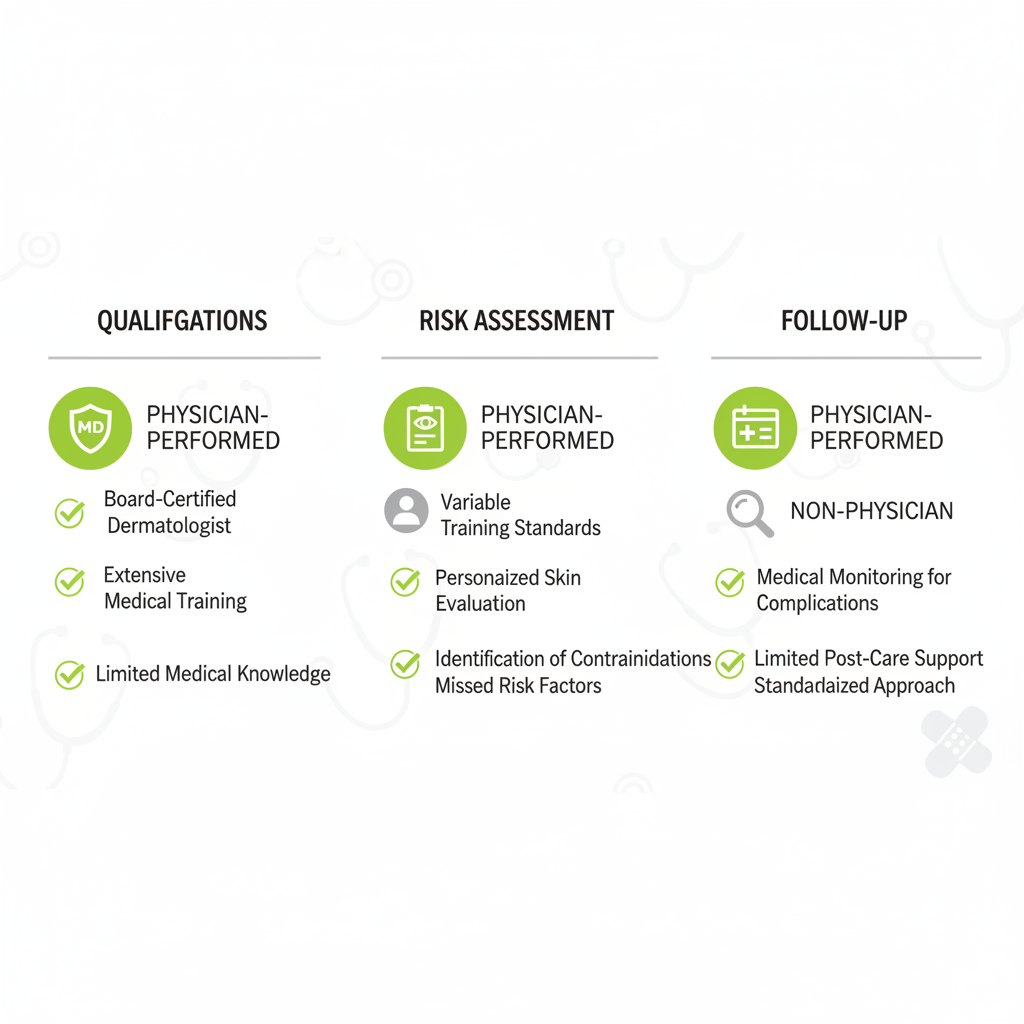
Physician vs non-physician laser hair removal basics comparison
A typical session begins with a comprehensive consultation, where our physicians review medical history, skin type, and treatment goals. This step ensures personalized plans and sets realistic expectations. We then proceed to the procedure structure:
- Preparation: Shaving the area and applying a cooling gel to protect the skin.
- Treatment: Delivering laser pulses in controlled passes, with built-in cooling for comfort.
- Post-Care: Applying soothing agents and advising on sun avoidance to promote healing.
This structured process underscores the value of dermatologist-guided care, transitioning smoothly into more advanced procedural insights.
In-Depth Analysis of Dermatologist-Led Laser Hair Removal
At our practice, we emphasize the precision and care that come with dermatologist-led treatments, ensuring optimal results for laser hair removal. This approach not only enhances safety but also maximizes effectiveness across various skin types and concerns.
Safety and Effectiveness Under Medical Supervision
Physician oversight in laser hair removal by physician transforms a routine procedure into a meticulously controlled process. Our board-certified dermatologists utilize advanced laser technologies, such as diode and alexandrite lasers, to target hair follicles with precision. These devices emit specific wavelengths that penetrate the skin to disable follicles without excessive damage to surrounding tissues.
Clinical studies indicate that medical laser hair removal achieves a 70-90% reduction in hair growth after a series of sessions, far surpassing less supervised methods. For diverse skin tones, including darker complexions, our specialists adjust energy levels and cooling mechanisms to minimize risks like hyperpigmentation. This customization ensures broad efficacy while prioritizing patient comfort.
The following table compares key metrics between dermatologist-led and non-medical providers, highlighting the advantages of expert supervision:
| Factor | Physician-Led | Spa-Based |
|---|---|---|
| Average Cost per Session | $200-500, includes consult | $100-300, no MD oversight |
| Sessions Needed | 4-6 for optimal results | 6-8, variable efficacy |
| Insurance Potential | Possible for medical needs | Rarely applicable |
Based on dermatology studies, these differences underscore how our monitoring protocols significantly lower adverse events. Dermatologist-led care provides peace of mind, as we integrate real-time assessments to adapt treatments, fostering trust and superior outcomes for every patient.
Procedure Breakdown and Patient Preparation
Dermatologist laser hair removal begins with a comprehensive consultation where our team evaluates skin type, hair color, and medical history. We discuss goals and set realistic expectations, ensuring alignment with individual needs. Pre-treatment preparation includes avoiding sun exposure for two weeks and shaving the area the day before to optimize laser penetration.
The procedure unfolds in five structured steps:
- Initial Assessment: Our dermatologist examines the treatment area and performs a patch test to gauge skin response.
- Protective Measures: We apply a cooling gel and provide protective eyewear to shield the skin and eyes.
- Laser Application: Using diode or alexandrite lasers, precise pulses target follicles, with our specialist monitoring for adjustments.
- Cooling and Soothing: Immediate post-pulse cooling reduces discomfort, followed by a gentle cleansing.
- Aftercare Guidance: We outline a skincare routine, including soothing creams and sun protection, to support recovery.
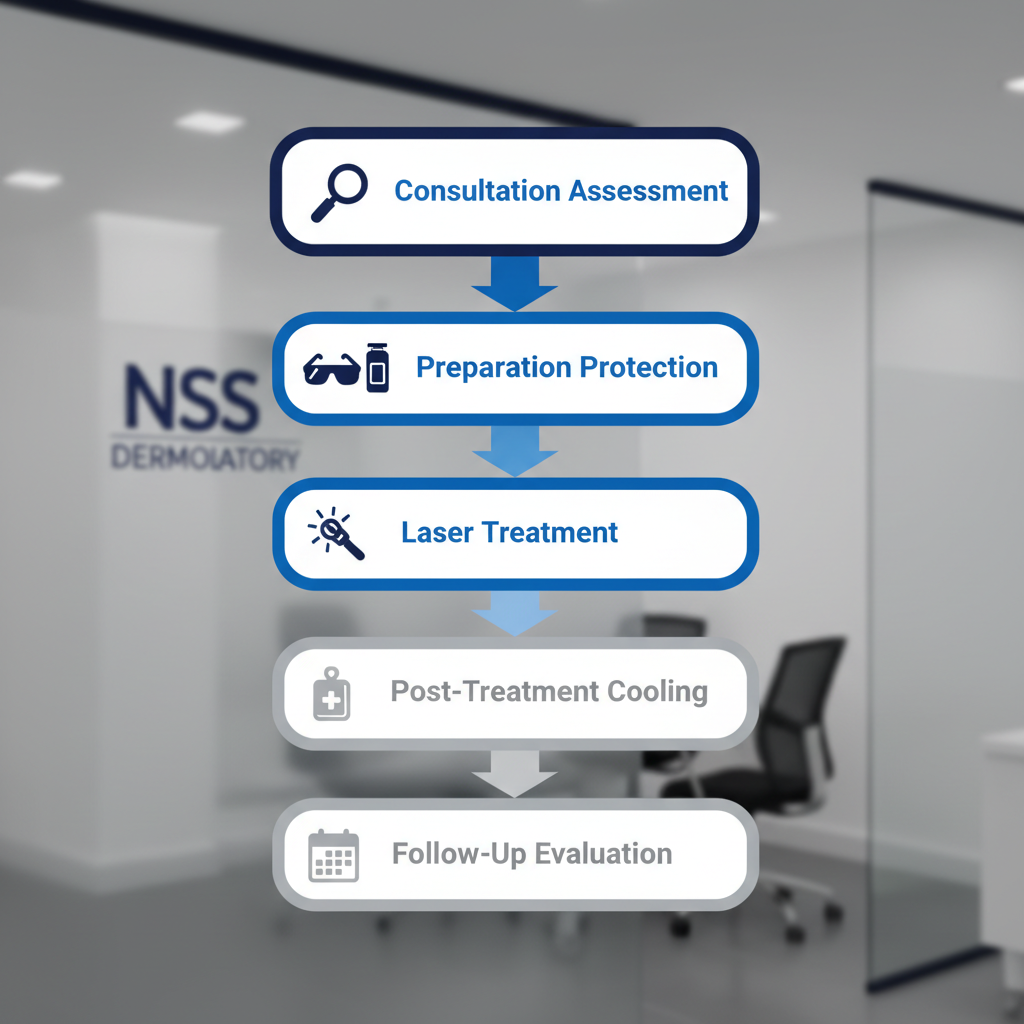
Step-by-step dermatologist-led laser hair removal process
This dermatologist expertise ensures each phase integrates seamlessly, reducing variability and enhancing results. Patients appreciate the thorough preparation, which minimizes surprises and promotes a smooth experience.
Our approach extends to post-care, where we schedule follow-ups to track progress and refine subsequent sessions. By prioritizing these elements, we deliver consistent, high-quality care that aligns with clinical best practices.
Risks and Complication Management
While laser hair removal is generally safe under expert care, potential side effects include temporary redness, swelling, and rare instances of burns or blistering. In non-expert settings, these risks escalate due to improper settings, particularly for sensitive or darker skin tones.
At NSS Dermatology, our physicians mitigate complications through vigilant monitoring and evidence-based protocols. For example, we employ advanced cooling systems to prevent thermal injury, keeping incidence rates below 2%. Compared to non-medical providers, where burns can reach 10%, our specialist-overseen depilation maintains clinically directed hair removal standards.
The table below illustrates technology comparisons:
| Technology | Best For | Physician Advantages |
|---|---|---|
| Diode Laser | Darker skin tones | Custom calibration |
| Alexandrite | Lighter skin | Faster pulses |
| Nd:YAG | All tones, deep follicles | Safest for deep pigment |
We educate patients on early signs and provide immediate intervention if needed, such as topical treatments. This proactive management not only addresses risks but also builds confidence in our comprehensive care model.
Practical Considerations for Physician-Performed Laser Hair Removal
When considering laser hair removal by physician, practical steps ensure a safe and effective experience. At our clinic in New York, we prioritize patient education to help you make informed decisions about this treatment. This section covers essential questions for consultations, cost and session details, and tips for selecting a qualified provider, drawing on industry standards from dermatology associations.
Questions to Ask Your Dermatologist
Preparing for your consultation is crucial for achieving optimal results in laser hair removal by physician. We recommend discussing your skin type, medical history, and treatment goals to tailor a plan that suits you. For instance, if you have dark skin, inquire about the laser’s effectiveness, as advanced devices like Nd:YAG lasers minimize risks such as pigmentation changes.
Here are key questions to ask during your visit:
- What experience do you have with dermatologist laser hair removal for patients like me, including those with darker skin tones?
- Which laser device will be used, and why is it suitable for my skin and hair type?
- What potential side effects should I expect, and how do you manage them in MD-supervised sessions?
- Can you explain the pre-treatment preparation, such as avoiding sun exposure, and post-care instructions like using soothing creams?
- How will you assess my progress, and what adjustments might be needed between sessions?
These inquiries promote informed consent and personalized care. Results may vary, so consulting a healthcare professional is essential for diagnosis and treatment planning. By addressing these, you align expectations with realistic outcomes in medical laser hair removal.
Cost, Sessions, and Treatment Expectations
Understanding the financial and timeline aspects of medical laser hair removal helps you budget effectively under professional supervision. Costs typically range from $200 to $500 per session, depending on the treatment area and clinic location. Factors like device technology and physician expertise influence pricing, though we avoid specific guarantees to reflect individual needs.
Most patients require 4-6 sessions spaced 4-6 weeks apart for optimal hair reduction, as hair grows in cycles. For larger areas like the back or legs, more sessions might be necessary. Pre-care involves shaving the area and avoiding tanning, while post-care includes gentle cleansing and sun protection to prevent irritation.
Physician-led treatments often provide better long-term value through higher efficacy and safety, potentially leading to fewer sessions overall. While initial costs may seem higher, the supervised approach reduces complications and enhances satisfaction. We offer transparent consultations at our New York practice to discuss these details.
Finding and Selecting a Qualified Clinic
Selecting a reputable provider is vital for safe dermatologist laser hair removal. Look for board-certified dermatologists and facilities equipped with FDA-approved lasers. In accessible locations like Midtown Manhattan, clinics such as ours at NSS Dermatology emphasize credentials and patient-centered care.
Start by verifying the provider’s experience in cosmetic procedures. Check for accreditations from organizations like the American Academy of Dermatology. Proximity matters; choosing a clinic for medical laser hair removal in New York ensures convenient follow-ups.
Consider these steps:
- Research online reviews and credentials of physicians like our team of board-certified experts.
- Schedule a consultation to evaluate the clinic’s hygiene and technology.
- Inquire about bilingual services if needed, as we provide support in English and Spanish.
Qualified clinics like ours deliver integrated services, from skin cancer screening to laser treatments, fostering trust and efficacy in dermatology clinic hair reduction. Always prioritize safety and expertise to achieve the best results.
Advanced Insights into Medical Laser Hair Removal
In the realm of medical laser hair removal, advanced techniques elevate safety and efficacy, particularly when performed by qualified professionals. At NSS Dermatology, we prioritize FDA-cleared devices to ensure optimal outcomes for our patients. These approvals signify rigorous testing for safety and performance in laser hair removal by physician, addressing concerns like skin type compatibility and long-term results. For instance, the FDA evaluates devices for their ability to target hair follicles without excessive damage to surrounding tissue. We adhere to these guidelines, integrating specialized MD laser therapy into our cosmetic dermatology services to deliver precise, evidence-based treatments. This approach not only minimizes risks but also enhances patient satisfaction through tailored protocols.
For patients with darker skin tones, dermatologist laser hair removal demands specialized attention to avoid pigmentation issues. The Nd:YAG laser stands out here, emitting longer wavelengths that bypass melanin in the skin while targeting deeper follicles. Studies support its efficacy, showing reduced side effects like hyperpigmentation when used correctly. We employ advanced cooling mechanisms during sessions to protect the epidermis, combining this with pre-treatment assessments for optimal safety. This method aligns with advanced clinical depilation principles, promoting even tone retention and hair reduction rates up to 80% after multiple sessions. Our board-certified team monitors progress closely, adjusting as needed for diverse complexions.
Though rare, complications such as burns or temporary redness can occur, underscoring the value of physician oversight. Prevention involves strict protocols:
- Pre-procedure skin typing using Fitzpatrick scale.
- Application of dynamic cooling devices to soothe tissue.
- Post-treatment regimens with soothing topicals and sun avoidance.
- Follow-up evaluations to address any irregularities.
At NSS Dermatology, our integrated care model minimizes these risks, fostering trust and confidence. Results may vary; consult our professionals for personalized advice. This expertise extends our commitment to transformative skincare.
Frequently Asked Questions on Dermatologist Laser Hair Removal
At NSS Dermatology, we address common concerns about dermatologist laser hair removal to help you make informed decisions. Our board-certified physicians ensure safe, effective treatments tailored to your needs.
How safe is laser hair removal by a physician?
Laser hair removal by physician is highly safe when performed by trained dermatologists using FDA-approved devices. We prioritize skin type assessments to minimize risks, delivering precise, medical-grade results.
How many sessions are needed for medical laser hair removal?
Typically, 4-6 sessions spaced 4-6 weeks apart are required for optimal results in medical laser hair removal. Factors like hair color and growth cycles influence this; we customize plans for efficiency.
What is the cost of dermatologist-performed laser hair removal?
Costs vary by treatment area and sessions, starting around $200-$500 per session. We offer transparent pricing during consultations to fit your budget without compromising quality.
Can laser hair removal work on dark skin?
Yes, advanced lasers safely treat dark skin tones when overseen by experienced physicians. We use technology that targets melanin effectively, reducing pigmentation risks.
What are the side effects of medical laser hair removal?
Common side effects include temporary redness or swelling, which resolve quickly. Rare risks like blistering are minimized through our expertise; consult us for personalized risk assessment.
Results may vary; consult a healthcare professional for diagnosis and treatment.
Making Informed Choices for Safe Laser Hair Removal
Choosing laser hair removal by physician ensures superior efficacy and minimizes risks through expert-guided treatments. Opt for dermatologist laser hair removal to benefit from precise, safe procedures tailored to your skin type. Medical laser hair removal at a board-certified practice like ours reduces complications and delivers lasting results.
We invite you to consult with our team at NSS Dermatology in New York for personalized advice. Ask about our experience, technology, and safety protocols to select the right clinic. Empower yourself with informed decisions for smoother, confident skin.
NSS Dermatology PLLC founded by Dr. Noah Scheinfeld
2129916490
150 West 55th Street
New York
NY
10019

