
Table of Contents
Vitiligo Treatment in Midtown Manhattan
Vitiligo is a common skin condition that affects approximately 1% of the population, causing the loss of skin pigmentation and resulting in white patches on various areas of the body. This autoimmune disorder occurs when the body’s immune system attacks melanocytes, the cells responsible for producing melanin, leading to depigmentation that can impact self-esteem and daily life. In bustling urban environments like New York City, where diverse skin tones are prevalent, vitiligo treatment in Midtown offers accessible solutions for those seeking to manage symptoms effectively.
At NSS Dermatology PLLC, located at 150 West 55th Street, Suite 1G, New York, NY 10019, our board-certified dermatologists specialize in evidence-based care for skin repigmentation options in Manhattan. We provide advanced midtown vitiligo treatment through phototherapy for vitiligo in Manhattan and vitiligo laser treatment in NYC, including the innovative Xtrac laser therapy. These non-invasive options stimulate melanocyte activity to promote repigmentation, particularly on the face and neck, with personalized plans tailored to your needs. Our Midtown location ensures easy access via public transit, and convenient online booking is available through Zocdoc for swift consultations.
This guide will delve deeper into understanding vitiligo’s causes and impacts, the benefits of phototherapy and laser therapies, and best practices for ongoing management to help you achieve optimal skin health.
Understanding Vitiligo and Its Causes
Vitiligo is a chronic autoimmune skin condition that affects millions worldwide, leading to the loss of skin pigmentation in distinct patches. At NSS Dermatology, we recognize how factors unique to urban living in Midtown Manhattan can influence its onset and progression. This section explores the underlying causes, common symptoms, and diagnostic approaches, empowering you to seek timely professional care for autoimmune skin depigmentation in Midtown.
What Causes Vitiligo in Urban Environments
Vitiligo occurs when the immune system mistakenly attacks and destroys melanocytes, the cells responsible for producing skin pigment, resulting in depigmented white patches. According to a PMC article on vitiligo etiology, this autoimmune response is influenced by a combination of genetic predisposition and environmental triggers, affecting up to 2% of the global population.
In bustling urban settings like Midtown Manhattan, several factors may exacerbate the condition. High-stress lifestyles from demanding work environments can trigger flare-ups, as chronic stress disrupts immune regulation. Exposure to industrial chemicals and air pollution, common in New York City, has been linked to oxidative stress that harms melanocytes. Genetic factors play a role too, with family history increasing susceptibility in diverse urban populations.
Key triggers include:
- Genetics: Inherited traits that heighten autoimmune risk.
- Stress: Emotional and physical pressures from city life.
- Environmental exposures: Pollutants and chemicals prevalent in Manhattan.
Early awareness of these elements underscores the importance of consulting experts for personalized insights.
Symptoms and Diagnosis in Midtown Clinics
The hallmark symptom of vitiligo is the appearance of flat, white patches on the skin, often starting on sun-exposed areas like the hands, face, arms, and feet. These depigmented spots can vary in size and may spread over time, becoming more noticeable on darker skin tones where contrast is stark. According to the Mayo Clinic, additional signs include premature graying of hair in affected areas and loss of color inside the mouth.
At our Midtown clinic, board-certified dermatologists conduct thorough Manhattan vitiligo evaluations to confirm the condition. Diagnosis begins with a physical examination to assess patch distribution and progression. We often use a Wood’s lamp, a specialized ultraviolet light that makes depigmented areas fluoresce brightly, as noted by the Mayo Clinic for its accuracy in revealing subtle changes. If needed, a small skin biopsy or blood tests may rule out other disorders.
These non-invasive methods guide us toward appropriate next steps, such as exploring vitiligo laser treatment in NYC for targeted repigmentation. We emphasize professional consultation to avoid self-diagnosis and ensure tailored care.
Prevalence of Vitiligo in New York City
Vitiligo affects approximately 1-2% of the population globally, with similar rates in diverse urban centers like New York City, where multicultural demographics may amplify visibility across skin tones. The PMC article highlights its psychological impact in darker-skinned individuals, a relevant consideration for Manhattan’s varied residents. Urban stressors, including pollution and fast-paced living, potentially contribute to higher incidence or faster progression in city dwellers.
In New York, access to specialized care is a key advantage, with clinics offering phototherapy for vitiligo in Manhattan to manage symptoms effectively. Light therapy for vitiligo midtown provides a non-invasive option that stimulates melanocyte activity, supported by evidence from clinical studies. Early intervention through local resources like our practice can improve outcomes and quality of life.
Understanding vitiligo’s prevalence and urban influences naturally leads to exploring treatment benefits, where evidence-based options at NSS Dermatology help restore confidence and skin uniformity.
Benefits of Vitiligo Phototherapy and Laser Treatments
At NSS Dermatology in Midtown Manhattan, our vitiligo treatment midtown focuses on advanced phototherapy and laser options to address depigmentation effectively. These therapies provide vitiligo treatment in Midtown with proven repigmentation and lifestyle-friendly benefits, tailored for urban patients seeking Manhattan light-based vitiligo care. We emphasize evidence-based approaches that align with busy schedules and enhance overall skin health.
Repigmentation Outcomes in Midtown Patients
Our patients in Midtown experience transformative repigmentation through phototherapy and Xtrac laser treatments, with many noticing visible improvements within months. Before treatment, patches of depigmented skin can affect confidence, but after consistent sessions, up to 75 percent improvement is common, as shown in clinical studies. For instance, the 308-nm excimer laser, like our Xtrac system, stimulates melanocyte stem cells to promote melanin production, leading to even skin tone restoration. In our clinic’s experience, Manhattan patients with facial or hand vitiligo see particularly encouraging before-and-after results, with localized spots repigmenting faster than widespread areas.
When selecting phototherapy for vitiligo in Manhattan, key criteria include the size of affected areas, session efficiency, and targeted efficacy, particularly for high-visibility spots like the face and hands. Research from the PMC highlights that narrowband UVB achieves solid repigmentation rates, while excimer lasers excel in precision, with studies showing 70 percent repigmentation after 24 sessions for non-segmental vitiligo.
| Aspect | UVB Phototherapy | Xtrac Laser Therapy |
|---|---|---|
| Treatment Area | Full body or targeted | Precise targeting of affected areas only |
| Session Time | 20-30 minutes | 5-10 minutes |
| Effectiveness for Face/Hands | Good for widespread | Highly effective |
At our Midtown clinic, we customize UVB phototherapy or Xtrac laser based on patient needs, such as depigmentation extent and daily commitments. For those with scattered patches, Xtrac’s focused beam minimizes exposure to healthy skin. This personalized approach ensures optimal results while fitting seamlessly into New York lifestyles.
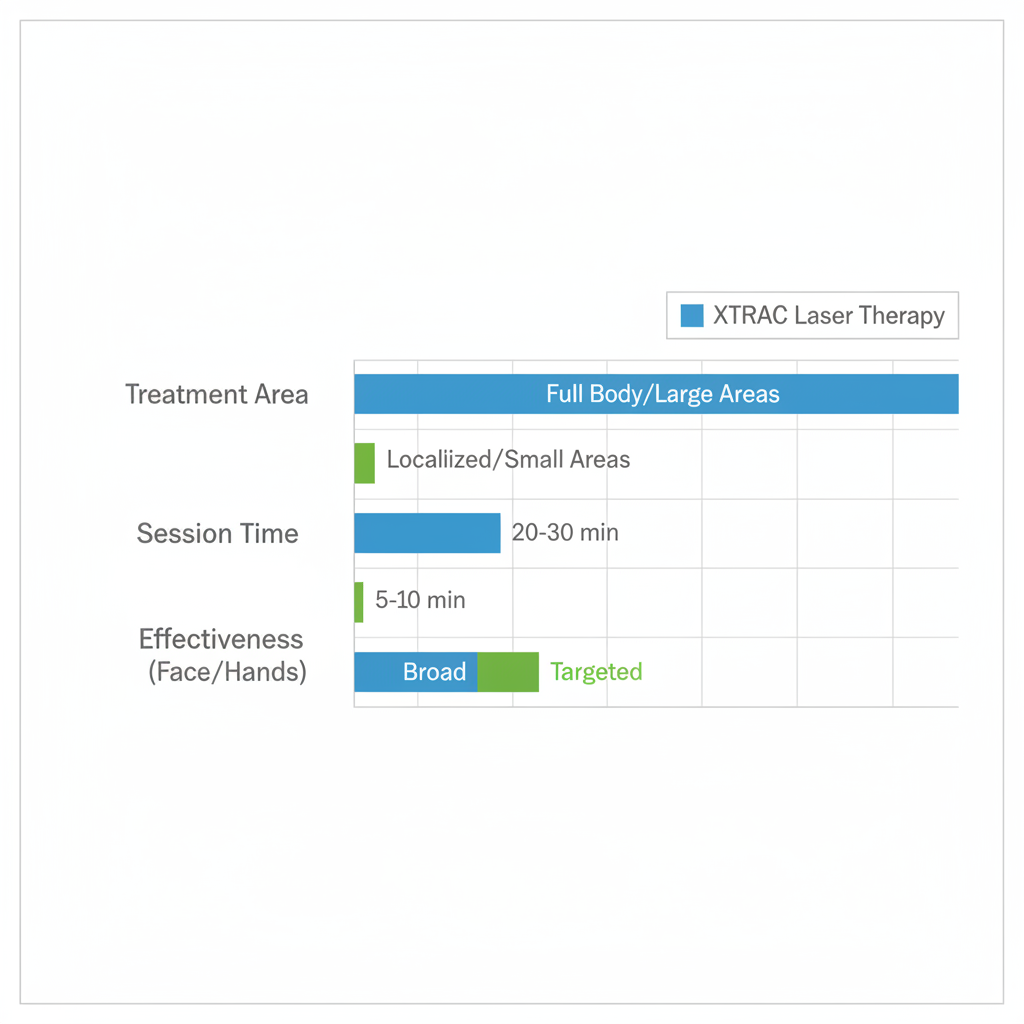
Comparison chart of phototherapy vs laser treatments for vitiligo benefits
Safety and Minimal Downtime Advantages
Phototherapy and laser treatments for vitiligo stand out for their non-invasive nature, making them ideal for our Midtown patients with demanding schedules. Unlike surgical options, these light-based methods involve no incisions, reducing risks and allowing immediate return to activities. Sessions cause only mild redness, similar to a brief sunburn, with discomfort managed easily through over-the-counter remedies.
Key advantages include:
- Low pain levels: Most patients feel warmth but no significant discomfort during vitiligo laser treatment in NYC.
- Quick recovery: Downtime is minimal, often just hours, suiting busy professionals.
- Gentle on skin: Treatments avoid systemic medications, minimizing broader health impacts.
Long-Term Skin Health Improvements
Beyond initial repigmentation, phototherapy for vitiligo in Manhattan helps halt disease progression by stabilizing melanocytes and preventing further depigmentation. At NSS Dermatology, we see patients gain lasting skin uniformity, which boosts self-esteem and quality of life.
Benefits extend to:
- Progression control: Evidence shows these therapies slow vitiligo advancement.
- Confidence enhancement: Even tone improvements lead to emotional uplift.
- Easy access: Our central location offers short wait times and transit convenience.
How Vitiligo Laser and Phototherapy Work
At NSS Dermatology in Midtown Manhattan, we specialize in advanced treatments for vitiligo focusing on phototherapy and laser therapies that harness specific wavelengths of light to stimulate repigmentation. These non-invasive options target the root cause by activating dormant melanocytes. Patients often see gradual improvement through consistent sessions.
The Science Behind UVB Phototherapy
UVB phototherapy utilizes narrowband ultraviolet B light to penetrate the skin and reach deeper layers. This controlled exposure mimics natural sunlight but in precise doses, prompting dormant melanocytes in the hair follicles to migrate upward and produce melanin. In phototherapy for vitiligo in Manhattan, we observe how this process reduces depigmented patches over time.
Xtrac Laser Therapy Mechanism
The Xtrac excimer laser delivers a precise 308nm wavelength directly to depigmented spots. This monochromatic light selectively targets affected areas on the face and hands, stimulating melanocyte activity more efficiently than traditional methods. In vitiligo laser treatment in NYC, we leverage this technology for its ability to bypass healthy skin, minimizing side effects.
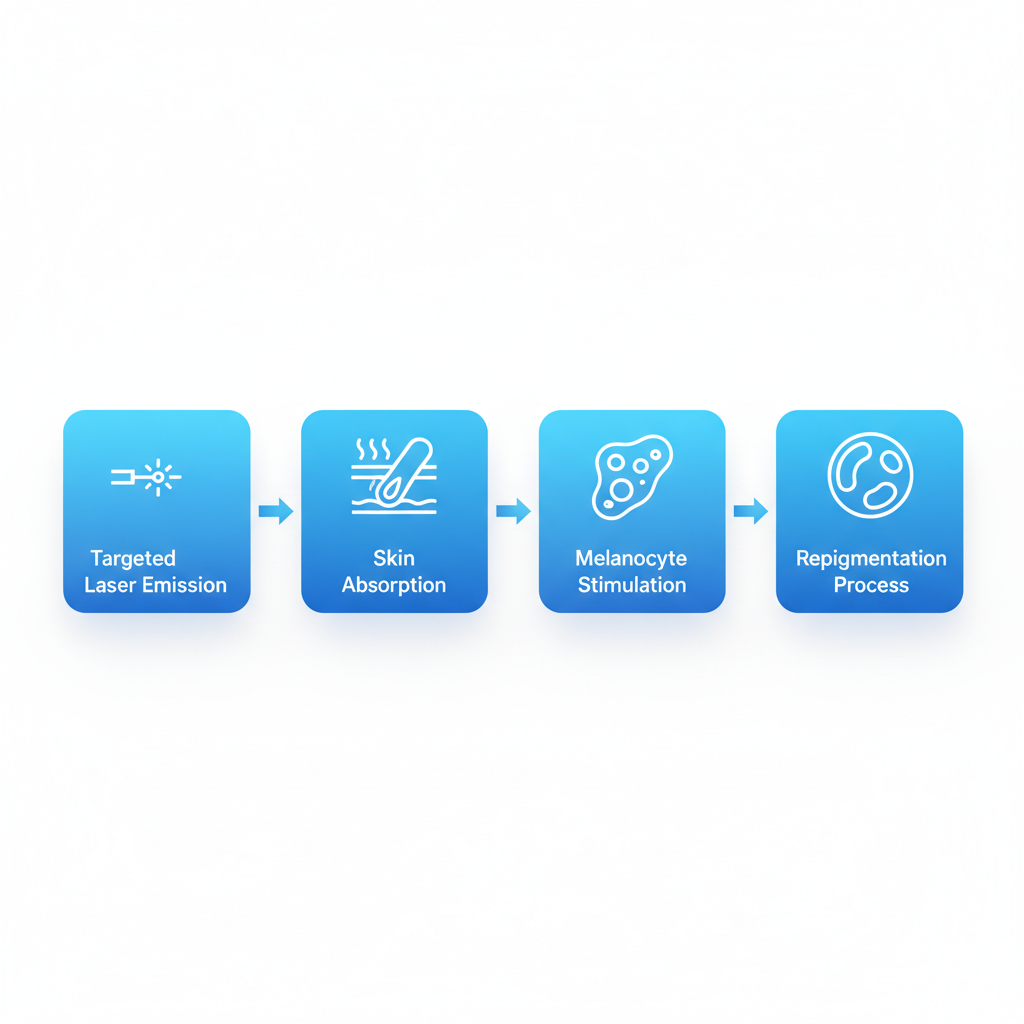
Mechanism of vitiligo laser and phototherapy treatment process
Session Protocols in Manhattan
In our Midtown practice, sessions typically occur two to three times per week, lasting 5 to 10 minutes per area over 2 to 6 months. We start with a skin assessment to determine the minimal effective dose, gradually increasing as tolerated to stimulate repigmentation without discomfort beyond mild redness.
Best Practices for Vitiligo Management in Midtown
Effective management requires a structured approach to treatment sessions and ongoing care. By following these best practices, patients can optimize results and minimize potential side effects. Our team emphasizes personalized plans tailored to your needs.
Preparing for Your Treatment Session
Preparing adequately ensures safety and efficacy. We recommend avoiding direct sun exposure for at least 48 hours prior. Apply a gentle, fragrance-free moisturizer daily and discontinue any harsh exfoliants one week before your appointment. Arrive with clean, makeup-free skin.
- Schedule via Zocdoc for seamless booking.
- Hydrate well and eat a light meal.
- Inform us of recent changes in skin appearance.
Post-Treatment Care and Maintenance
Post-treatment care is crucial for sustaining repigmentation. Apply a soothing, hypoallergenic moisturizer to treated areas. The AAD recommends daily application of broad-spectrum sunscreen with SPF 30 or higher. Monitor for mild side effects like itching, which usually resolve within days.
- Use fragrance-free products to avoid irritation.
- Wear protective clothing outdoors.
- Track skin changes with photos.
Choosing the Right Clinic in NYC
Select a clinic based on expertise, technology, and convenience. Prioritize board-certified dermatologists experienced in autoimmune skin conditions. Our transit-accessible site on West 55th Street minimizes travel time.
| Factor | Our Clinic (NSS Dermatology) | General Midtown Options |
|---|---|---|
| Board Certification | Yes, multiple specialists | Varies; check credentials |
| Xtrac Laser Availability | Advanced in-house | Limited in some |
| Insurance Handling | Assistance provided | Varies; inquire |
Next Steps for Vitiligo Care in Midtown
Phototherapy for vitiligo in Manhattan and vitiligo laser treatment in NYC promote repigmentation with safe, evidence-based options. Schedule your consultation today at NSS Dermatology PLLC, located at 150 West 55th Street, Suite 1G, New York, NY 10019. Contact us at (212) 555-DERM to discuss your plan. We speak English and Spanish–HABLAMOS ESPAÑOL.
Resources
Discover Vitiligo Diagnosis and Effective Treatment Options
Explore Vitiligo Diagnosis and Restorative Treatment Strategies
Learn About Oral JAK Inhibitors for Vitiligo Repigmentation
Understand Laser Treatments for Vitiligo Repigmentation Enhancement
Find Optimal Excimer Laser Frequency for Vitiligo Repigmentation
Explore Vitiligo Diagnosis and Restorative Treatment Strategies
Learn About Oral JAK Inhibitors for Vitiligo Repigmentation
Understand Laser Treatments for Vitiligo Repigmentation Enhancement
Find Optimal Excimer Laser Frequency for Vitiligo Repigmentation
NSS Dermatology PLLC founded by Dr. Noah Scheinfeld
2129916490
150 West 55th Street
New York
NY
10019

